


A Family-First Vision for the Future
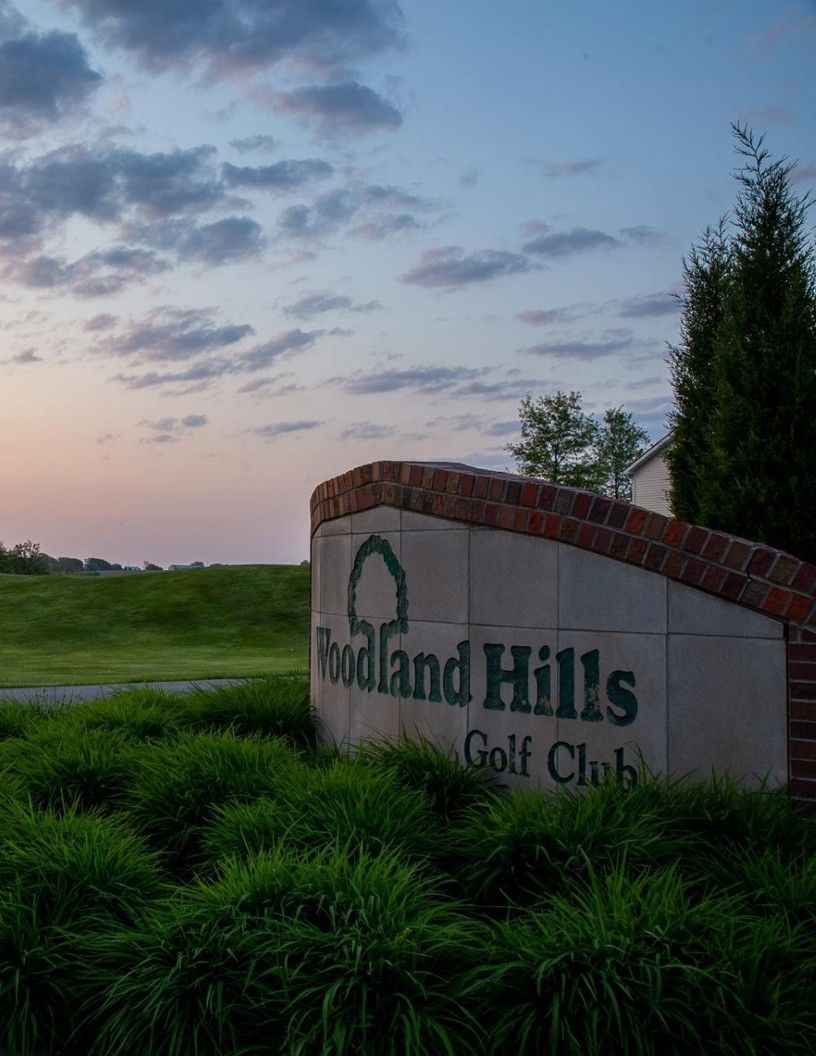
When Todd Flodman acquired Woodland Hills in 1993 alongside his father, it was more than a business purchase, it was a family commitment. Built on what was once a tree farm and designed by Jeffrey Brauer, Woodland Hills quickly earned a reputation as a premiere facility and remains a beloved, top ranked public course in Nebraska to this day.
Todd’s son, Zach, born just a year after the purchase, grew up alongside the course. Today, the father-son duo leads Woodland Hills together, united by a singular goal:
To build a truly generational facility; one strong enough to pass down, improve upon, and elevate for decades to come.
Get the guide to Golf Revenue Management
Protecting the Course While Growing Revenue
Woodland Hills weathered the highs of the Tiger Woods era and the decline of the mid-2000s. By the early 2020s, rounds were strong, sometimes exceeding 40,000 annually, but that success came at a cost:
- Course degradation
- Excessive divots and ball marks
- Pace of play issues
- Wear that outpaced reinvestment
Todd knew their sweet spot was closer to 35,000 rounds; enough demand to thrive, but not so much that it compromised the quality of their facility.
The question became:
How do we maintain, and grow, revenue without overloading the golf course?
From Hesitation to Innovation
The Flodmans were no strangers to innovation. As a former engineer, Todd, was one of the first in his region to adopt an online tee sheet, GPS cart tracking, and more.
Plus dynamic pricing made intuitive sense, especially given the family’s experience running a rental car company, where variable pricing is standard practice.
But their first attempt at dynamic pricing in 2017 came too early. Without sufficient demand signals, prices skewed lower than expected. Fear crept in, and they turned it off. However in 2022, they decided to try again with Priswing; this time with confidence.
Letting the Golfer Define the Value
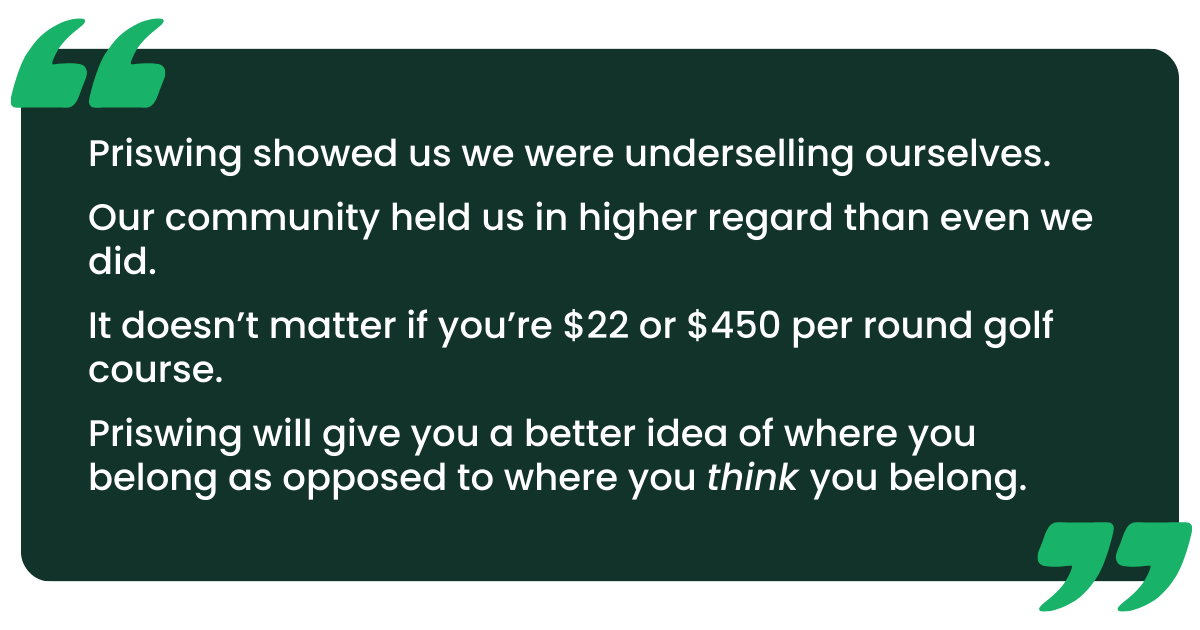
Woodland Hills had long believed $65 was the right price point. The market said otherwise.
By incorporating historic performance contextualized against weather conditions, price, seasonality, and other factors, the Priswing algorithm revealed customers were willing to pay $95–$100 minimum for peak experiences. That realization changed everything.
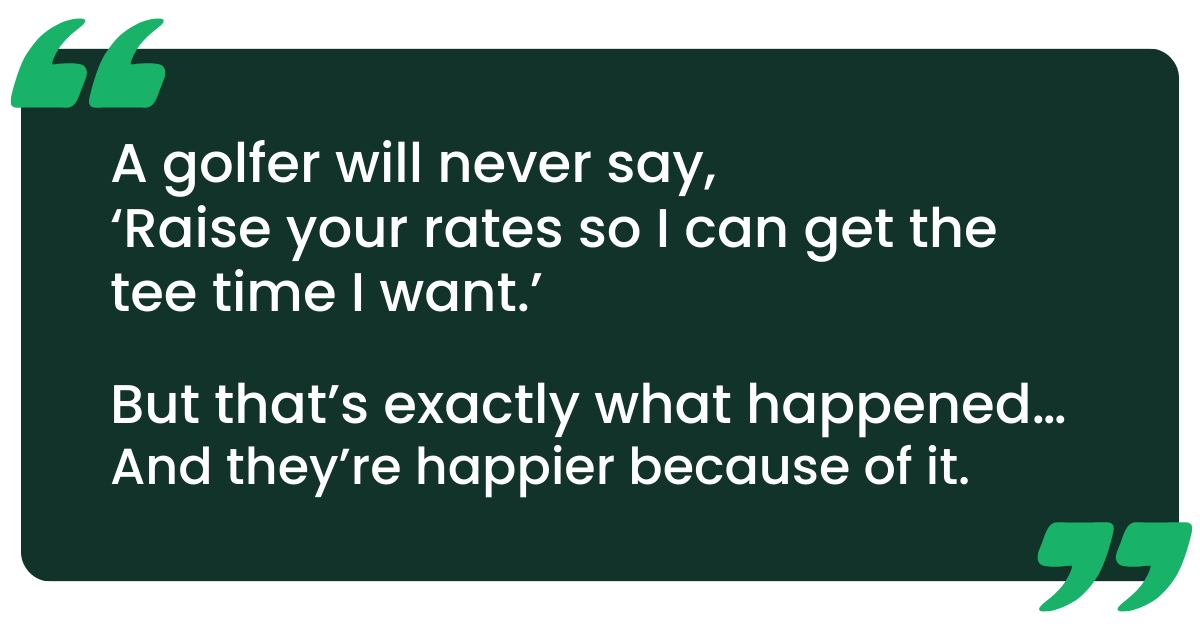
So, while their golf pro had originally warned that dynamic pricing would bankrupt the course due to customer pushback, it did exactly the opposite…
Delivering Real Results
Rounds Stabilized
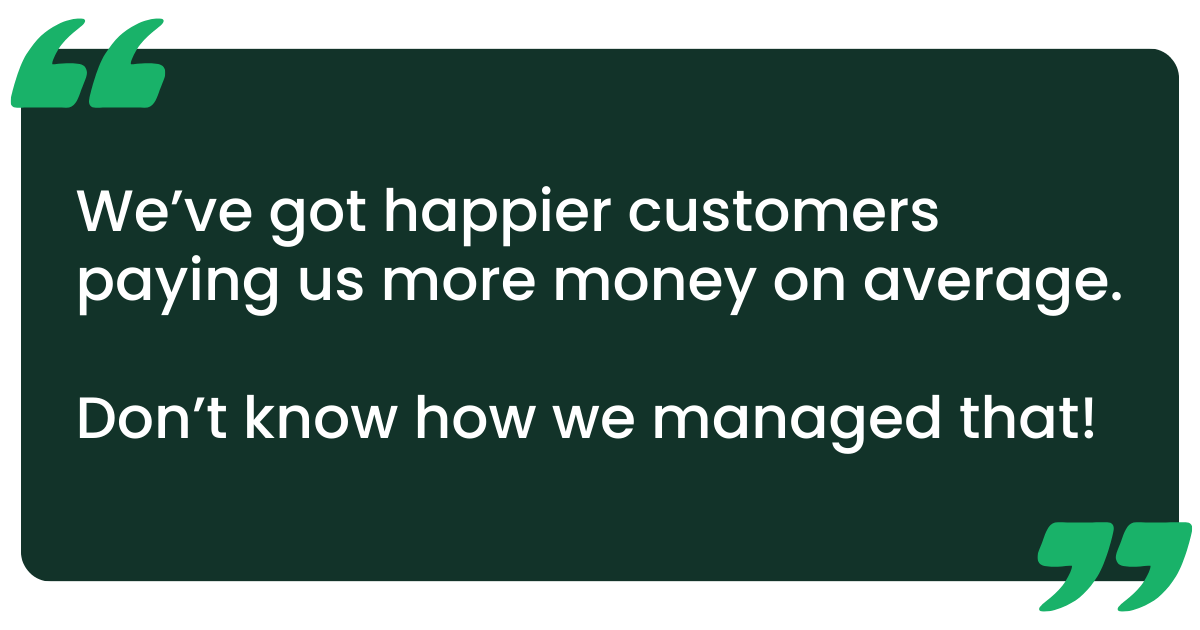
Woodland Hills was able to increase revenue while lowering overall play volume to 35,000 rounds, protecting course conditions and quality.
Pricing Responded to Demand
Where demand justified, prices rose up to 30% for some high-value tee times.
Revenue Skyrocketed
A smooth deployment with their existing tee sheet system, enabling effortless management and consistency across their digital touchpoints.
Other Sales Increased 10-15%
Soft and hard goods sales increased 10–15% as higher-spend clientele emerged organically.
Optimizing, Not Just Maximizing
A key mindset shift:
Priswing’s approach to dynamic pricing isn’t about squeezing every dollar. It’s about optimizing inventory.
If a Saturday morning tee sheet fills 24 hours in advance, Todd’s view is simple: “You’re too cheap.”
By adjusting pricing to reflect demand, Woodland Hills:
- Preserved prime tee times for those who value them most
- Created availability where it previously didn’t exist
- Improved overall customer satisfaction
Reinvesting for the Future
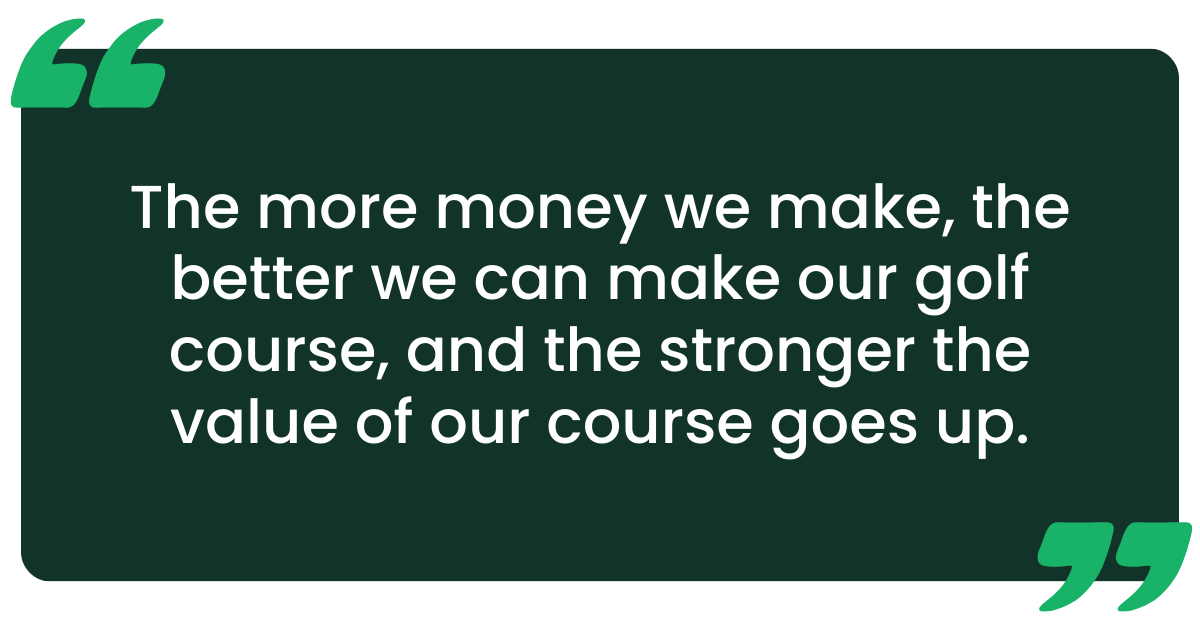
The most powerful outcome wasn’t just revenue. It was reinvestment.
- $3 million invested in a new irrigation system
- Full bunker rebuild planned
- Cart path renovations next
Post-Priswing, Woodland Hills has:
- Reinvested millions into infrastructure
- Increased daily income
- Nearly doubled overall facility value
For the Flodmans, this isn’t short-term thinking. It’s legacy planning.
2X
Increase in approximate overall facility value in a matter of years.
Millions
Reinvested in course conditioning, upgrades, and improvements.
Changing the Experience for Staff and Customers
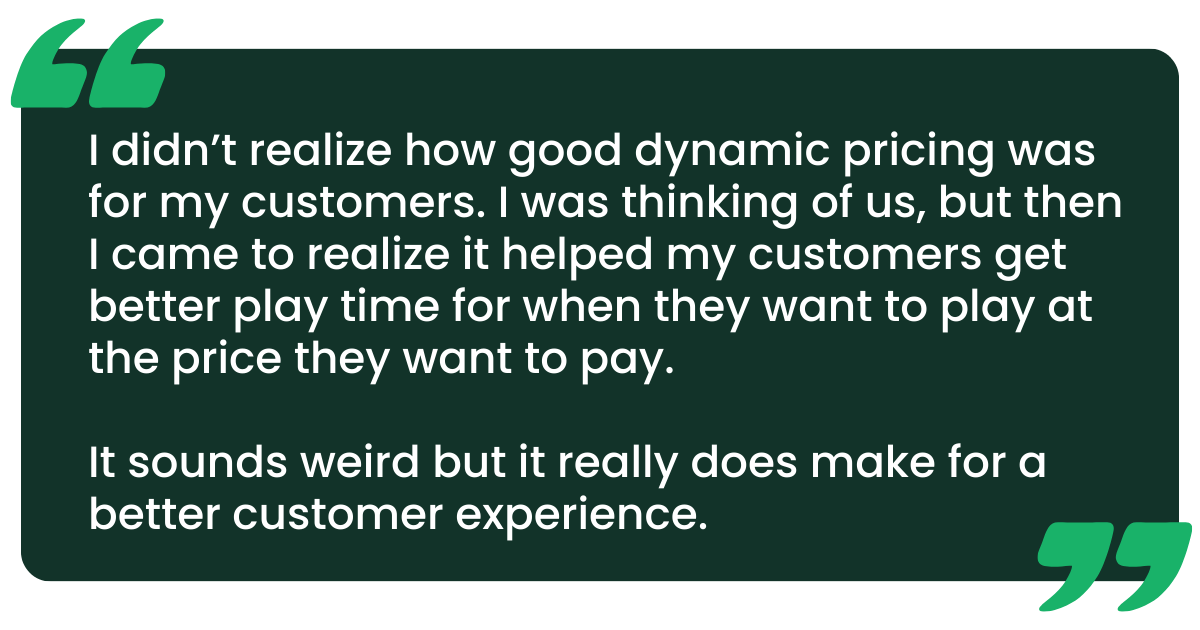
The biggest hurdle wasn’t pricing; it was education.
Staff needed confidence explaining dynamic pricing and customers needed transparency. With proactive training of their team and clear communication throughout the booking process, Woodland Hills was able to ensure both staff and customers understood the changes in rates and process.
“Be straightforward. Make sure they understand.”
Within just a few months, questions largely disappeared as golfers came to accept and appreciate the flexibility provided by variable, demand optimized rates.
The Legacy Impact of Priswing
For Zach and Todd, this is bigger than revenue optimization.It’s about ensuring that Woodland Hills remains:
Financially strong
Physically pristine
Operationally modern
Ready for the next generation
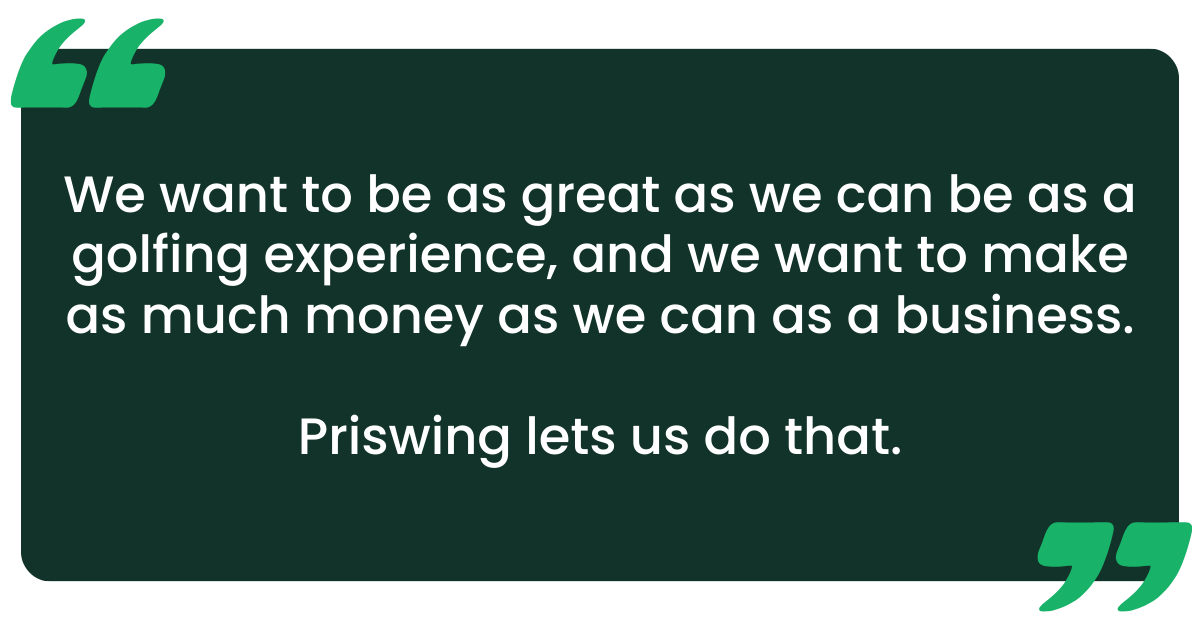
Priswing didn’t just help Woodland Hills raise rates. It helped them raise the value of their property by raising the standard of their facility, the caliber of their customer, and, ultimately, the legacy they will pass on.
